


 Spanish
 Portuguese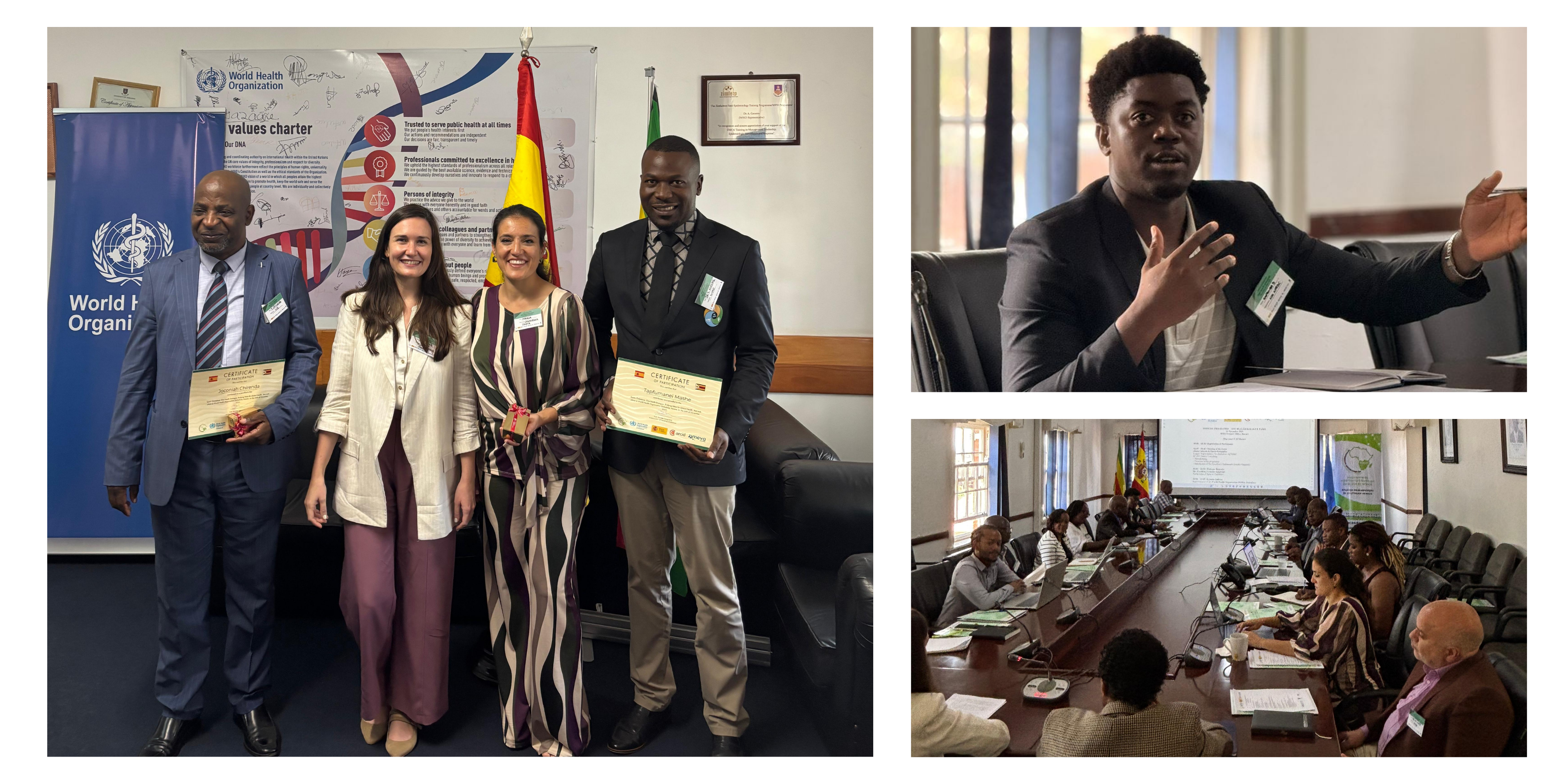
Empowering Collaboration on One Health: Spain–Zimbabwe Outreach and High-Level Dialogue
The Embassy of Spain in Zimbabwe, together with AECID, ACESDA – ACE Sur de África, and the World Health Organization (WHO) Zimbabwe, successfully convened a landmark Spain–Zimbabwe One Health Dialogue in Harare on 24 November 2025. The Dialogue forms part of Spain’s broader Science Diplomacy Agenda, aimed at strengthening international cooperation, scientific exchange, and sustainable development across Africa.
Why One Health and Why Now?
The One Health approach recognizes the interconnectedness between human, animal, and environmental health. It has become indispensable for confronting global challenges such as antimicrobial resistance, zoonotic disease spillovers, climate-related health burdens, food safety threats, and ecosystem degradation.
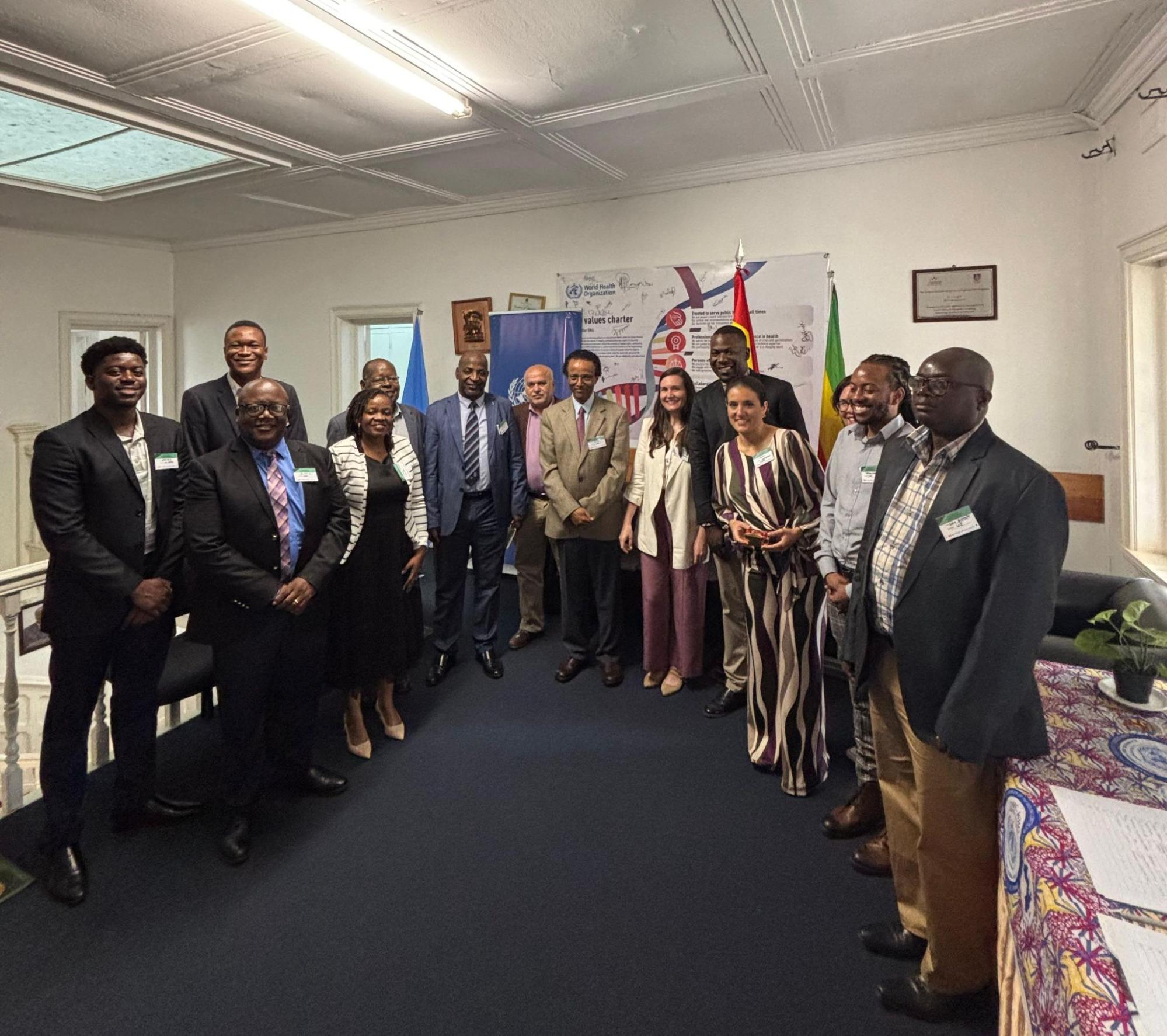
This high-level Dialogue brought together leading experts, practitioners, and policymakers from Zimbabwe and Spain to deepen cooperation, exchange scientific insights, and identify pathways for joint action that strengthens public-health resilience across both nations.
Bridging Ideas for Global Health
Guided by the theme “Bridging Ideas for Global Health,” the Dialogue explored how integrated, cross-sectoral approaches can be leveraged to build stronger, more responsive health systems.
The dialogue opened with official remarks by Ms Ines Mena, Deputy Ambassador of Spain to Zimbabwe, who highlighted the importance of strengthening scientific cooperation between Spain and Zimbabwe.
Following this was a keynote address presented by Dr Dester Tiruneh, the World Health Organization Country Representative for Zimbabwe, reaffirming WHO’s commitment to supporting integrated health systems.
The panel discussions were moderated by María Luisa de la Puerta Fernández, ACESDA Country Representative for Zimbabwe and CEO of Omeva Consulting, who guided participants through the panel sessions and facilitated the discussion.
The panel brought together four distinguished experts who each contributed unique insights drawn from their work in Zimbabwe, Spain, and the wider global health community. Prof. Joconiah Chirenda of the University of Zimbabwe shared experiences on strengthening One Health research, training, and implementation infrastructure within academic institutions. Dr. Tapfumanei Mashe from WHO Zimbabwe provided an update on national One Health implementation efforts, including progress and challenges in antimicrobial resistance surveillance and multisector coordination. Dr. Fernando de la Calle Prieto of Hospital La Paz–Carlos III discussed Europe’s experience responding to viral haemorrhagic fevers and the lessons relevant for outbreak preparedness globally. Dr. María Montoya of CIB-CSIC presented on PTI+ Global Health: a CSIC initiative for collaboration, highlighting how the platform fosters international partnerships, promotes multidisciplinary research, and strengthens collaborative responses to global health challenges.
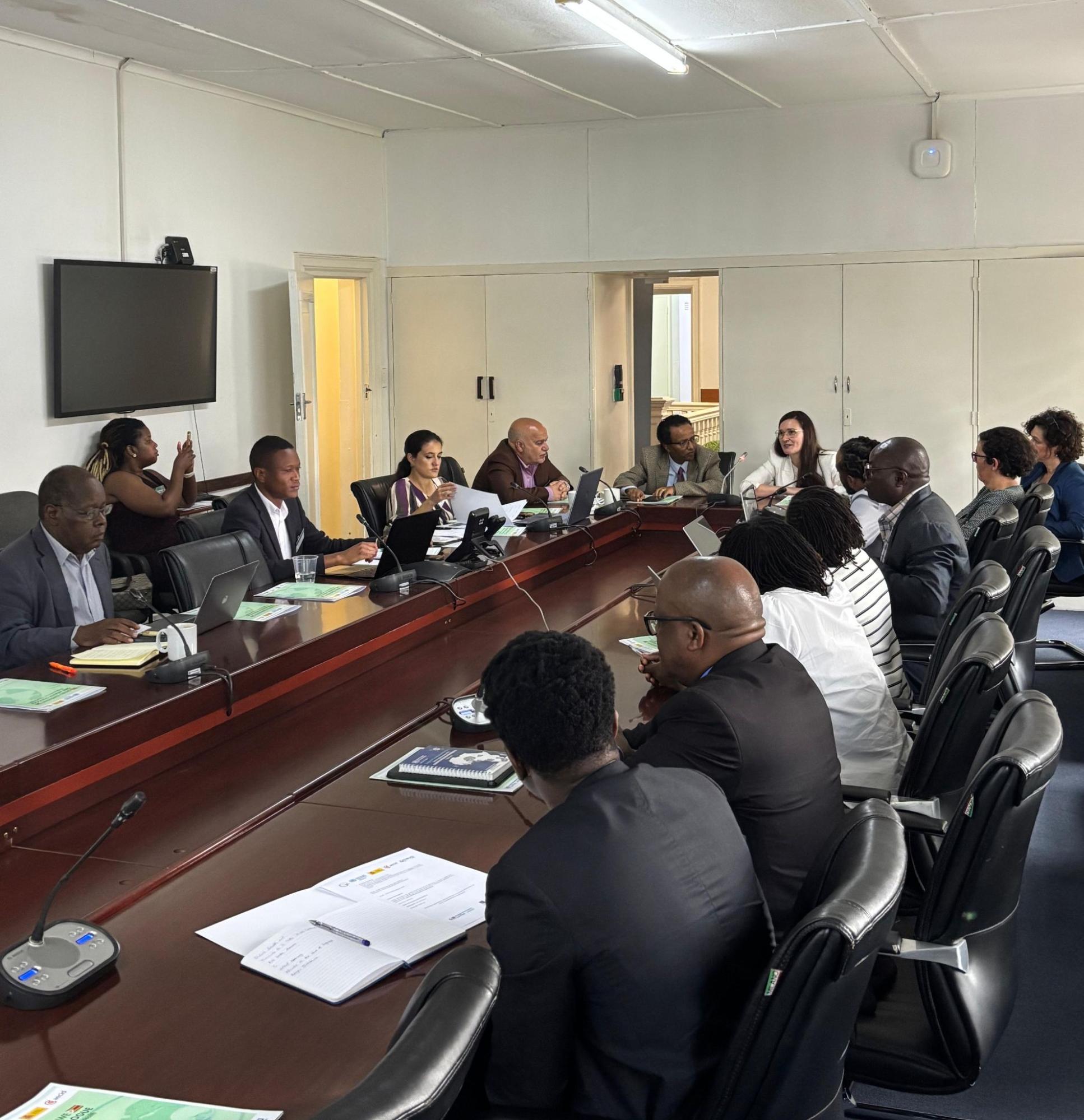
Reflecting on the need for stronger bilateral collaboration, Dr. María Montoya also emphasized:
“We are very worried about animal health because it is deeply interconnected with human health and the environment. We are very happy to explore future collaboration in surveillance or research, and to strengthen cooperation linkages that support better preparedness for both our countries.”
Discussions highlighted the urgency of adopting integrated approaches that link surveillance, research, education, and community engagement. Climate pressures, evolving zoonotic threats, and increased global mobility were identified as drivers of emerging risks. When asked how young people can be better integrated into One Health research and surveillance, Prof Joconiah Chirenda underscored the transformative role of early education: “Teachers must take the lead in introducing One Health concepts at primary and secondary level. The earlier we expose learners to the idea that human, animal, and environmental health are connected, the better. At tertiary level, we should also reflect on how widely One Health is being taught in Zimbabwe and strengthen it where needed.”
This message resonated strongly with participants and underscored the need to invest in the next generation of health and science leaders.
A Call for Stronger International Partnerships
This initiative highlights the pivotal role of international cooperation in addressing shared global health and environmental challenges. By bringing together expertise from institutions across Zimbabwe and Spain, the outreach programme is contributing to a foundation of long-term scientific collaboration.
As emphasized by María Luisa de la Puerta Fernández, CEO of Omeva Consulting and ACESDA Country Representative:
“As she highlighted during the Dialogue, education remains central to building strong One Health systems. While online courses are increasingly available, many communities still lack reliable internet access. It is therefore essential to create inclusive learning opportunities, especially for women, who play a crucial role across the food chain and are key drivers of healthier, more resilient communities.”
Acknowledgements
Omeva Consulting is proud to have supported the organisation of this Dialogue, in collaboration with the Embassy of Spain in Zimbabwe, AECID, ACESDA – ACE Sur de África, and the World Health Organization Zimbabwe. Their shared commitment to advancing the One Health agenda made this event a strong platform for meaningful exchange and future cooperation.
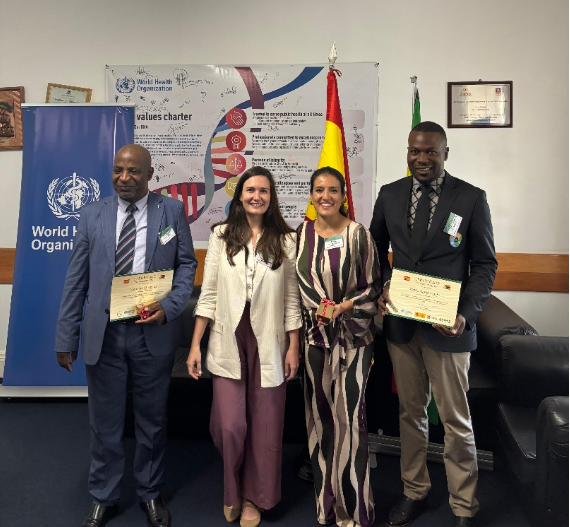
From right to left: Prof. Joconiah Chirenda, Deputy Dean of the Faculty of Medicine and Health Sciences, University of Zimbabwe; Ms Inés Mena, Deputy Head of Mission at the Embassy of Spain in Namibia; Ms María Luisa de la Puerta, ACESDA Country Representative for Zimbabwe; and Dr Tapfumanei Mashe, WHO AMR Project Coordinator.
For further information email: comunicacion@acesda.org or maria@omevaconsulting.com



.png)
