


 Spanish
 Portuguese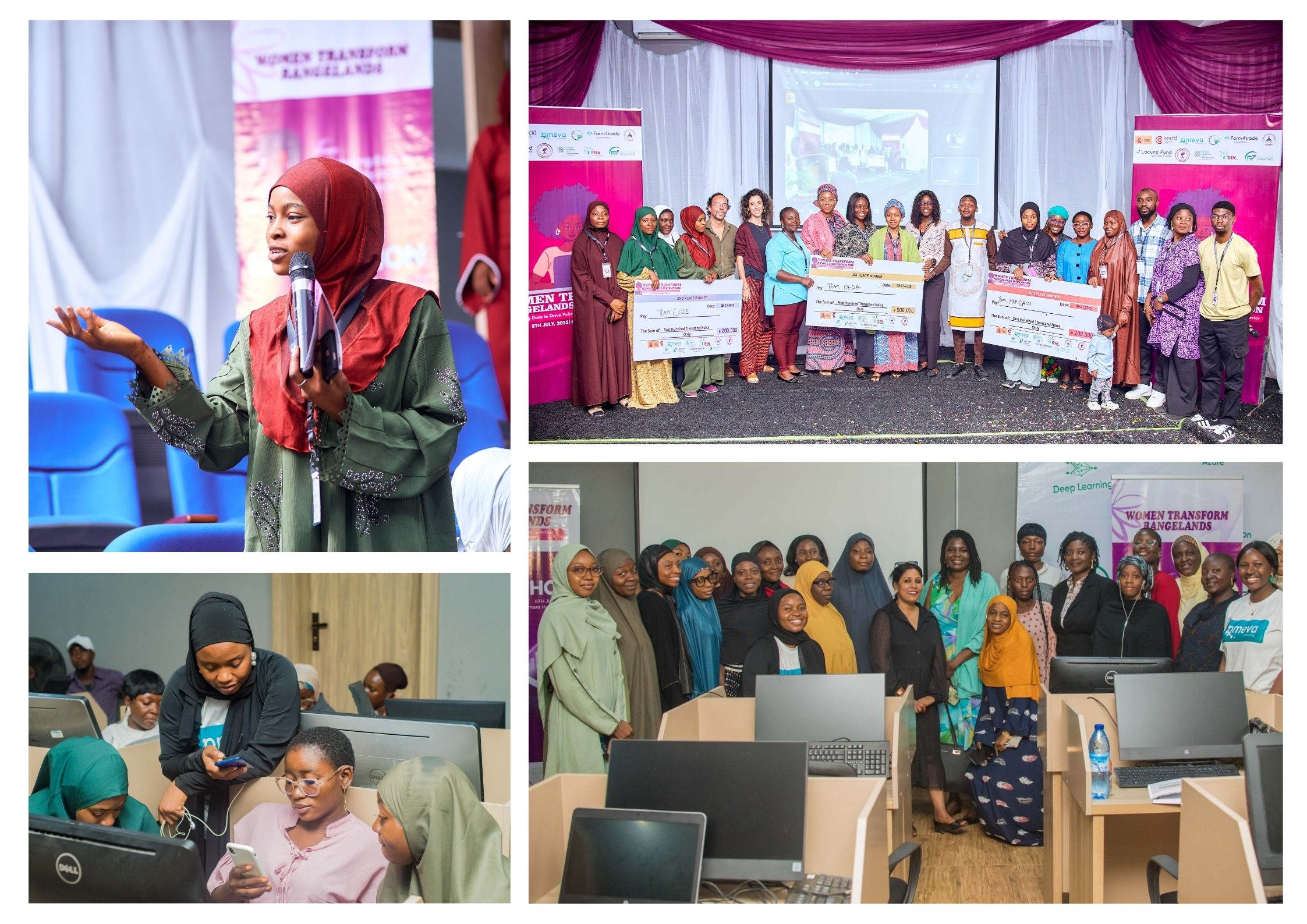
Nigerian Women Use Namibian Rangeland Data to Propose Bold Policy Actions for the Livestock Sector
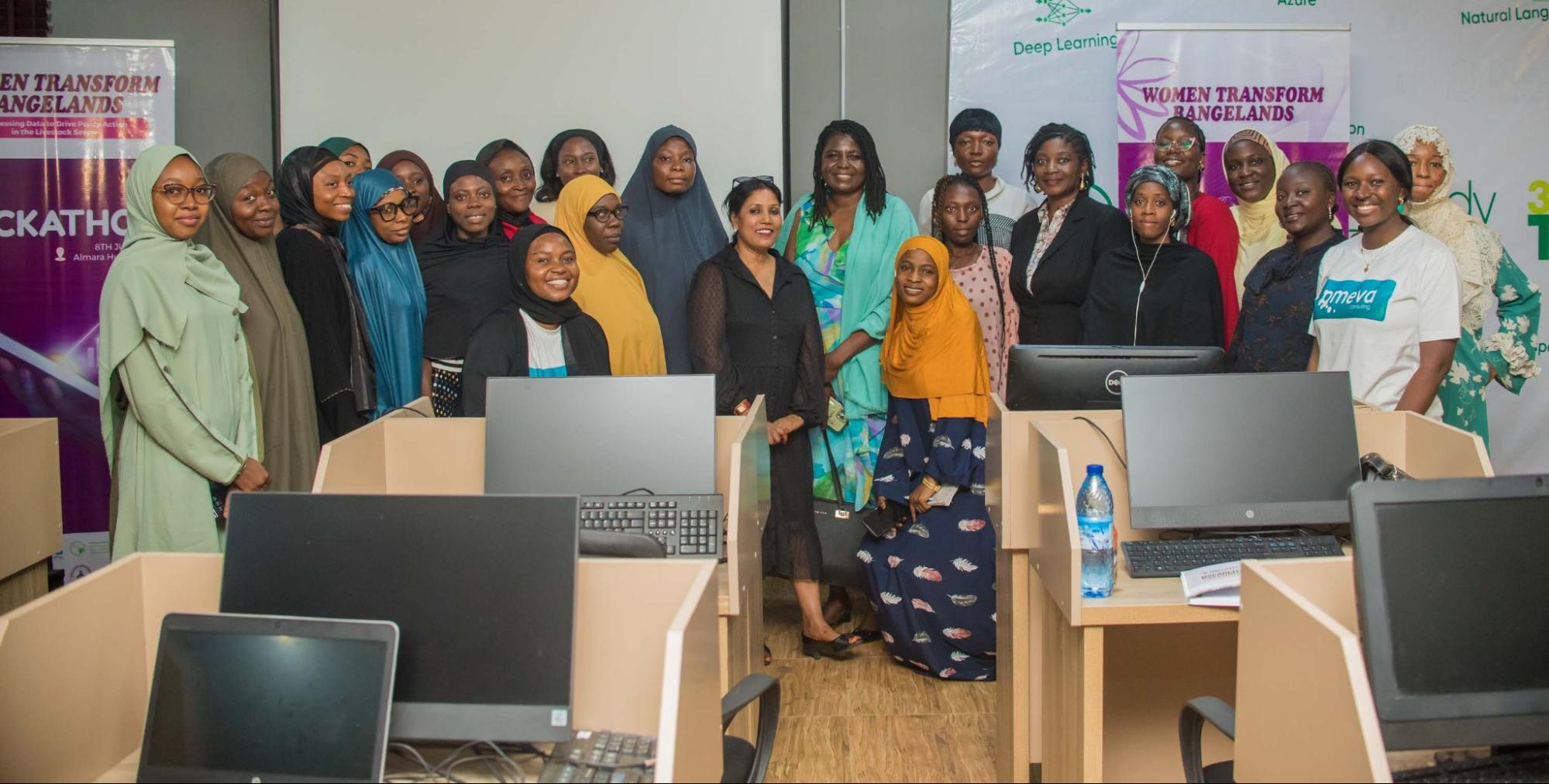
A groundbreaking all-female hackathon in Kaduna, Nigeria has drawn attention across the world. It proves what is possible when women are empowered to drive policy action in the livestock sector using African data. The Women Transform Rangelands Hackathon, which concluded in Kaduna on the 8th of July 2025, brought together Nigerian women working in data science, agriculture, climate, technology and communication to co-design solutions for livestock systems using real-world data. Over the course of a week, participants worked in teams, received expert mentorship, and took part in targeted webinar sessions that linked data with policy pathways, equity, and resilience.
Using Namibian rangeland datasets collected under the Rangelands Project, participants were challenged to translate field insights into actionable policy recommendations for the Nigerian livestock sector. Their ability to contextualize data from Namibia and apply it to Nigerian realities showcased the strength of South–South collaboration.
International Cooperation meets Local Support
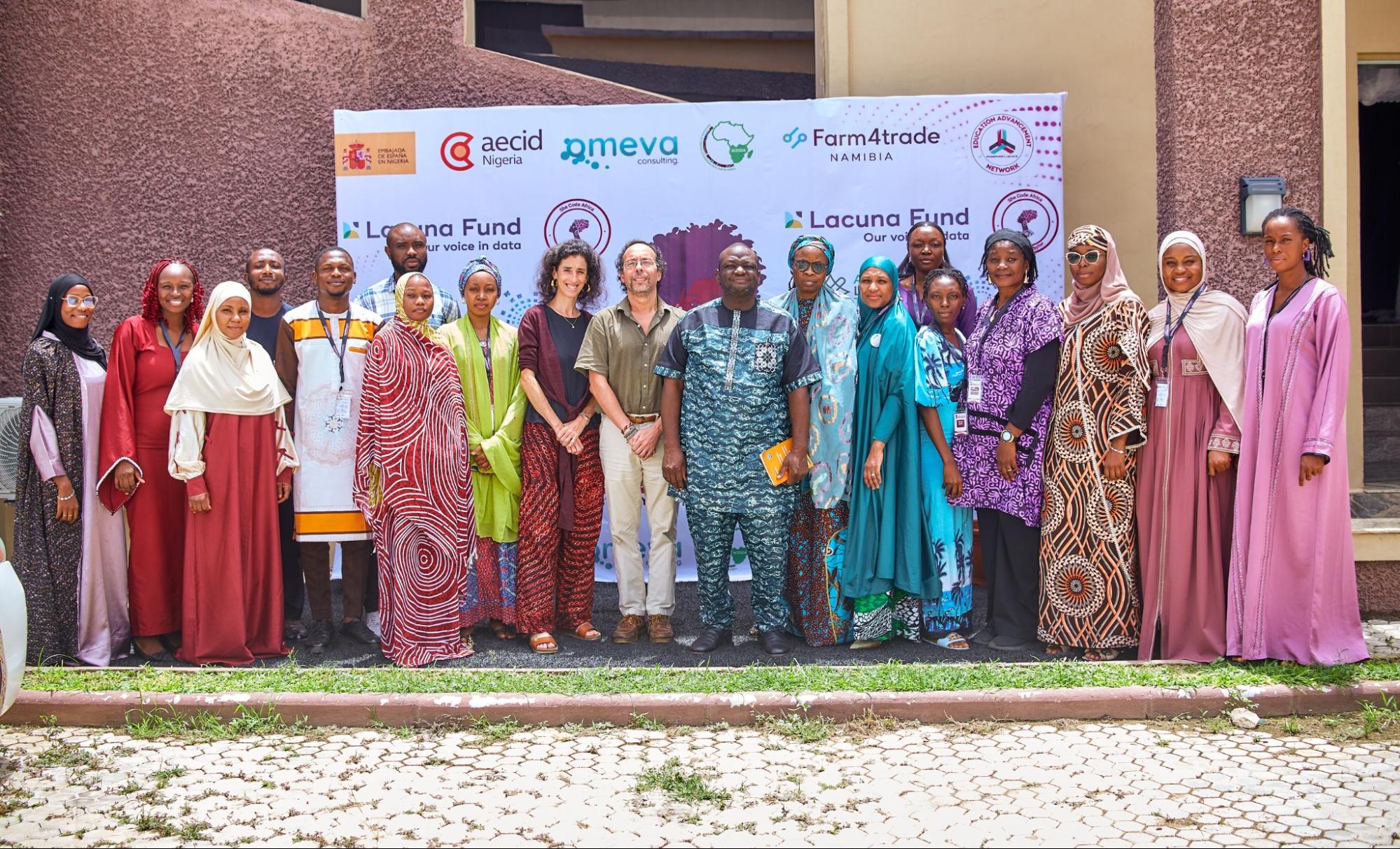
The hackathon, supported by the Embassy of Spain in Nigeria and the Spanish Agency for International Development Cooperation (AECID), aimed to build local capacity, elevate women’s voices, and demonstrate how African data can inform Africa-led solutions. Eva Barta, Cultural Advisor at the Embassy of Spain, underscored the significance of the all-female design.
The event was organised by Omeva Consulting, bringing together international partners such as Lacuna Fund, Farm4Trade, and the Association of Spanish Researchers in Southern Africa, alongside Nigerian collaborators including the Alliance for Sustainable Livestock, She Code Africa, Data Science Nigeria, and Pharmafluence Education Advancement Network. Government representatives also welcomed future partnerships and data-sharing efforts, aiming to contribute to policy development in the livestock sector.
The Data Gap in Livestock: A Continental Challenge
Despite the critical role livestock plays in African economies, the sector remains data-poor. Decisions around grazing, feed, animal health, and market access are often made without reliable, timely, or locally relevant information. Dr. Latifah Abdulkarim highlighted the need to convert data into usable insights, and Maria Luisa de la Puerta Fernandez emphasized turning data into actionable interventions for livestock systems.
Why Women, and Why Now?
Women remain largely excluded from agricultural and land governance decisions. The hackathon created a safe and inclusive space for women to innovate, speak freely, and lead confidently, as noted by Mrs. Olanike Olugboji-Daramola.
What the Hackathon Delivered
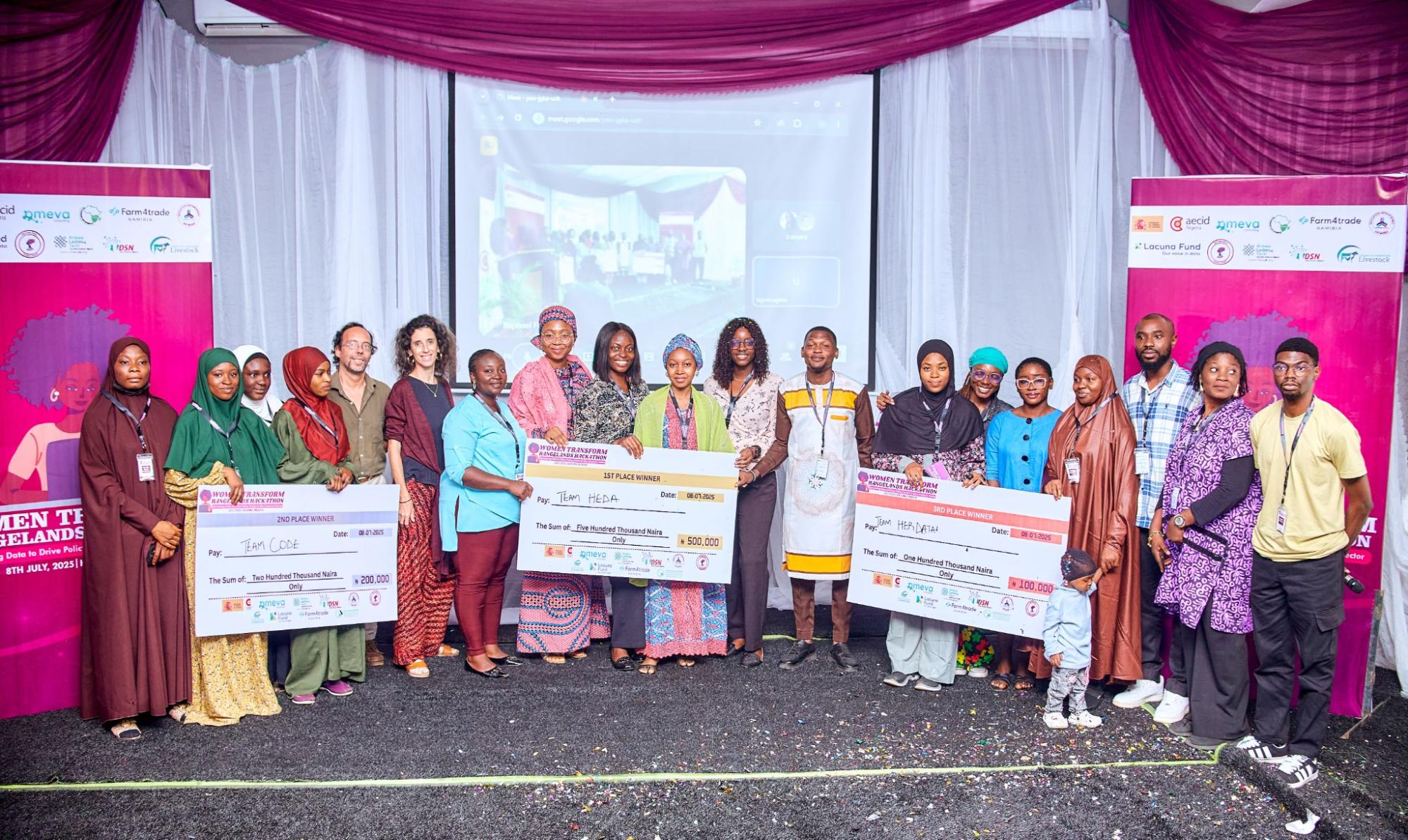
Thirty Nigerian women formed six dynamic teams to develop data-driven policy recommendations. Team HEDA won with the Kunene Rotational Grazing Policy, emphasizing community ownership and women’s leadership. Team CODE and Team HERDATA delivered innovative dashboards and empowerment-focused solutions for rangeland management.
Beyond the Hackathon: A Call to Action
Data gaps in Africa’s livestock sector are significant. This hackathon demonstrated the potential of quality data to inform practical and context-relevant policies. Inclusion of women as experts, analysts, and decision-makers is key to advancing sustainable livestock systems.



.png)
