


 Spanish
 Portuguese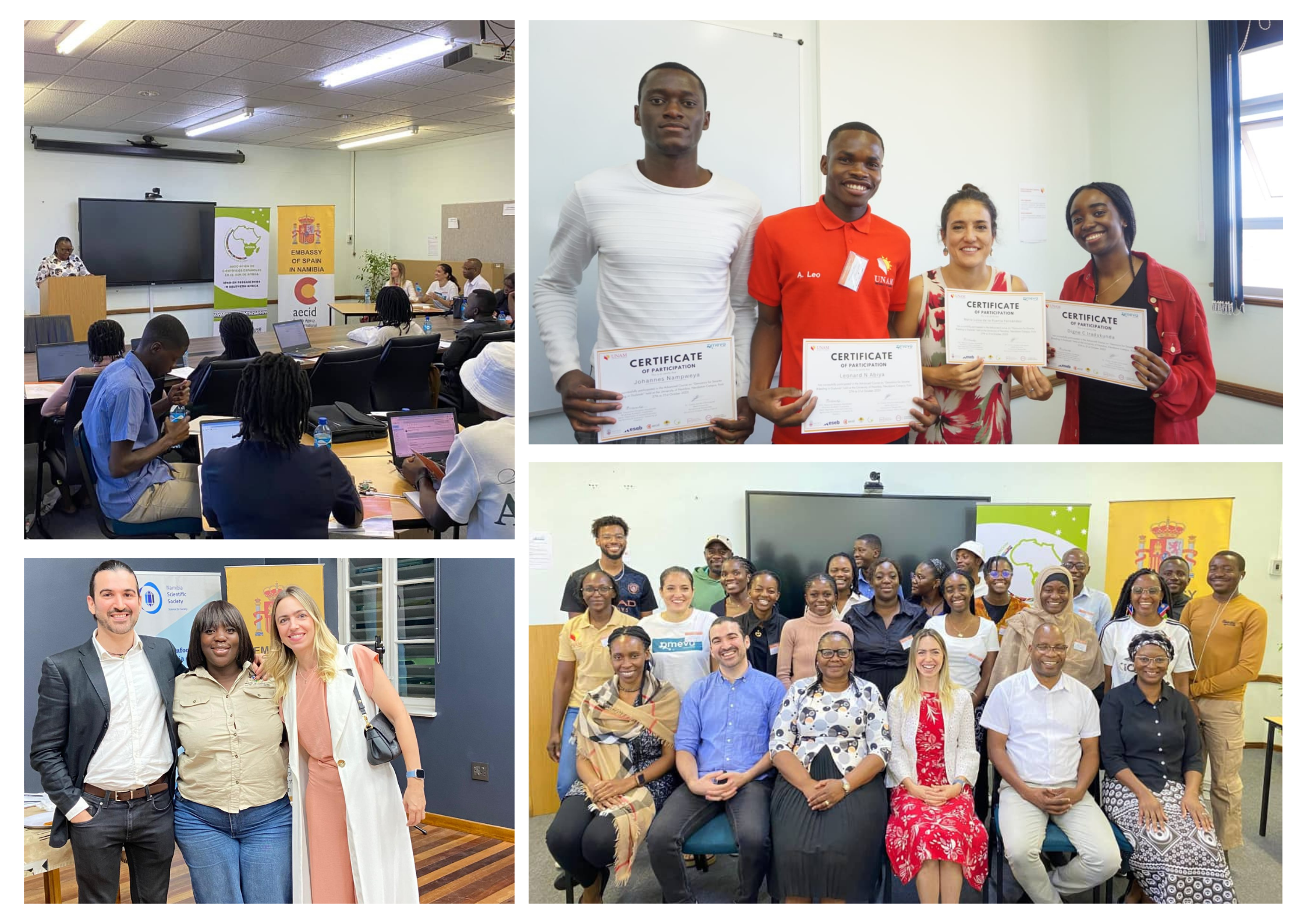
Can advanced analytics unlock drought resilience in livestock?
The potential of data to transform our rangeland systems is immense. Around the world, data-driven tools are reshaping how farmers optimise production, manage inputs, and enhance resilience. Yet, rangeland management and livestock breeding have often lagged behind—particularly in this part of the world. Despite the central role of livestock and rangelands in Namibia’s economy and livelihoods, there remains a significant gap in the use of data within the sector. The shortage of data-analytic skills across sub-Saharan Africa continues to limit progress in adopting evidence-based, technology-driven solutions, while most advanced training opportunities remain concentrated in Western countries.
It is against this background that the University of Namibia and Omeva Consulting, in partnership with Universitat Pompeu Fabra (Spain) and Brown University (USA), hosted a regional training programme titled “Genomics for Smarter Breeding in Drylands”, a one-week advanced course taking place from 27–31 October 2025. The training was designed to strengthen national and regional capacity in data-driven livestock breeding and climate-smart rangeland management.
The pioneering initiative was made possible through the financial and institutional support of Fundación Ramón Areces, ACE Sur de África (ACESDA), the European Society for Evolutionary Biology (ESEB), and the Spanish Embassy in Namibia and the Spanish Cooperation (AECID). Through this course, the partners aimed to bring cutting-edge genomic tools closer to the realities of dryland farming systems, ensuring that scientific advances translate into practical benefits for farmers and breeders across the region.
“Genomic technologies are transforming how we breed livestock for dryland environments. By linking genetic data to traits such as drought resilience and productivity, we can design smarter, more adaptive breeding strategies. This collaboration between Namibian and Spanish researchers highlights the power of genomics to drive sustainable, climate-resilient agriculture,” said Dr Carlos Sarabia of Universitat Pompeu Fabra, Spain.
Spain’s Ongoing Commitment to Scientific Cooperation in Namibia
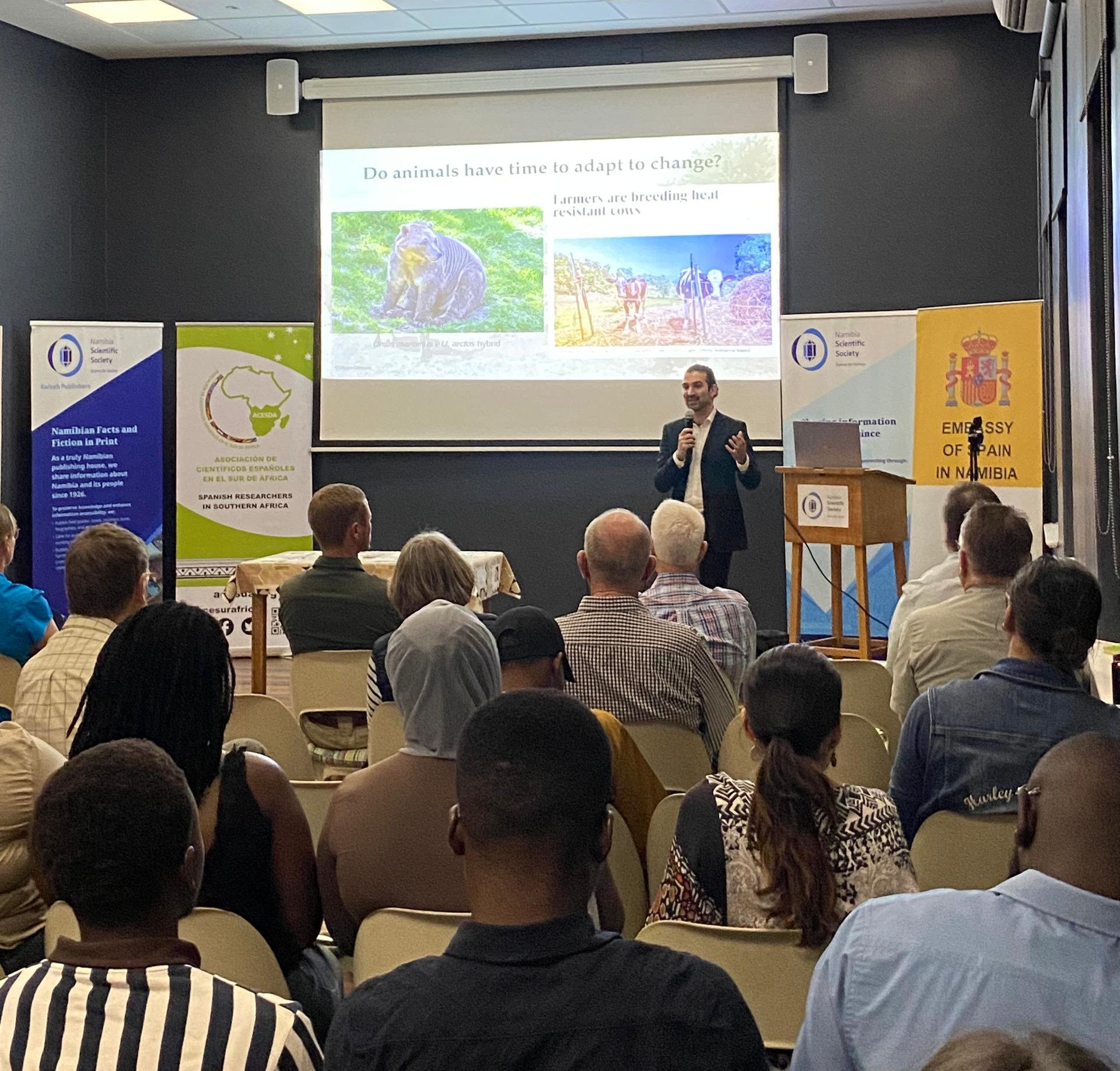
The Spanish Embassy’s support for this initiative reflected its broader commitment to promoting scientific collaboration and innovation in Namibia’s agricultural and environmental sectors. This builds on earlier partnerships that have strengthened the exchange of research, expertise, and training between Namibian and Spanish institutions, such as the first Spain Namibia Climate Forum.
“It is a source of great pride and satisfaction to see the Embassy of Spain once again leading a scientific diplomacy initiative that connects Namibia and Spain in such essential sectors as agriculture and livestock,” said His Excellency Francisco Javier Pagalday Gastelurrutia, Ambassador of Spain to Namibia. “By promoting this exchange of knowledge and experience, we strengthen our deep bilateral ties and our shared commitment to sustainable development and food security.”
What Is This Course About?
The Genomics for Smarter Breeding in Drylands course was a one-week advanced training designed to strengthen regional capacity in data-driven livestock breeding and climate-smart rangeland management. The programme introduced participants to bioinformatics and population genomics tools that helped identify and select livestock traits linked to drought tolerance, productivity, and adaptation — key to building climate-resilient herds in dryland systems.
Who Participated?
The course was designed for MSc and PhD students, researchers, and agricultural professionals with a background in genetics, data science, or animal breeding. Participants received theoretical and hands-on practical training, working directly with genomic datasets and analytical software. By the end of the week, participants had acquired the skills to interpret complex genetic data and apply data-driven solutions to real-world breeding and rangeland management challenges.
As Prof. Theopoline Amushendje, Head of the Department of Animal Production, Agribusiness and Agricultural Economics and Director of the Centre of Excellence for Research in Agricultural Productivity at the University of Namibia, explained:
“Through this course, we equipped Namibian scientists and practitioners with the tools to apply genomics and data science in ways that directly strengthen our livestock systems and enhance climate resilience.”
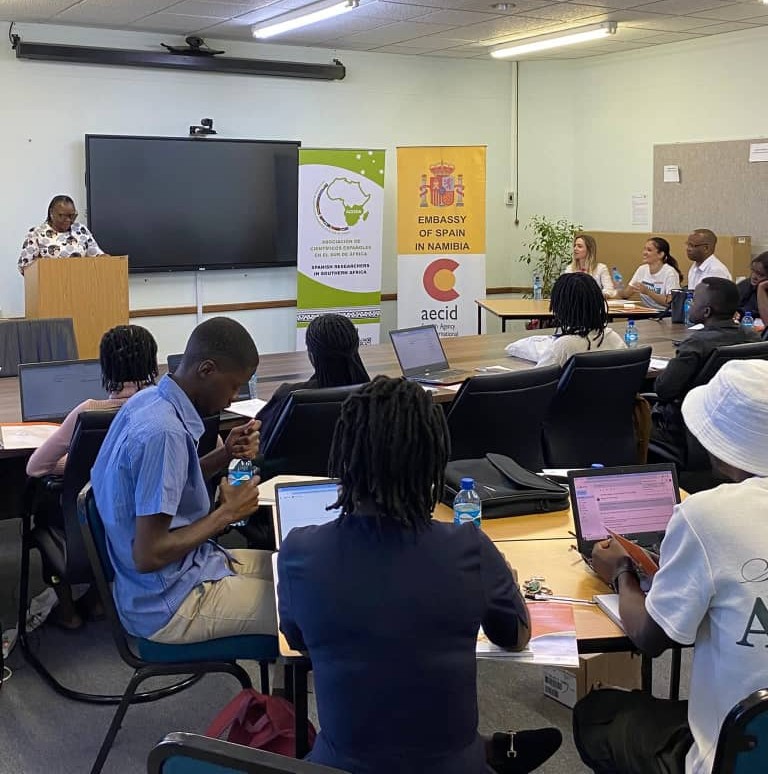
The sessions were led by a multidisciplinary team of experts, including Prof. Theopoline Amushendje (University of Namibia), Dr. Carlos Sarabia (Universitat Pompeu Fabra, Spain), Noelle Curtis-Joseph (Brown University, USA), and Maria Luisa de la Puerta Fernández (Omeva Consulting).
Public Talk: Reimagining Namibia’s Rangelands — Data, Science, and the Path to Resilience
As part of the week’s activities, the organisers hosted a public talk on Wednesday, 29 October 2025, at 7:00 p.m. at the Namibia Scientific Society, 110 Robert Mugabe Ave, Windhoek. Unlike the technical course, this session was open to policymakers, community leaders, farmers, students, and anyone interested in how innovation and data can transform Namibia’s drylands.
The event explored how data science and genomics can support smarter rangeland management, enhance drought resilience, and shape the future of sustainable livestock systems in Namibia.
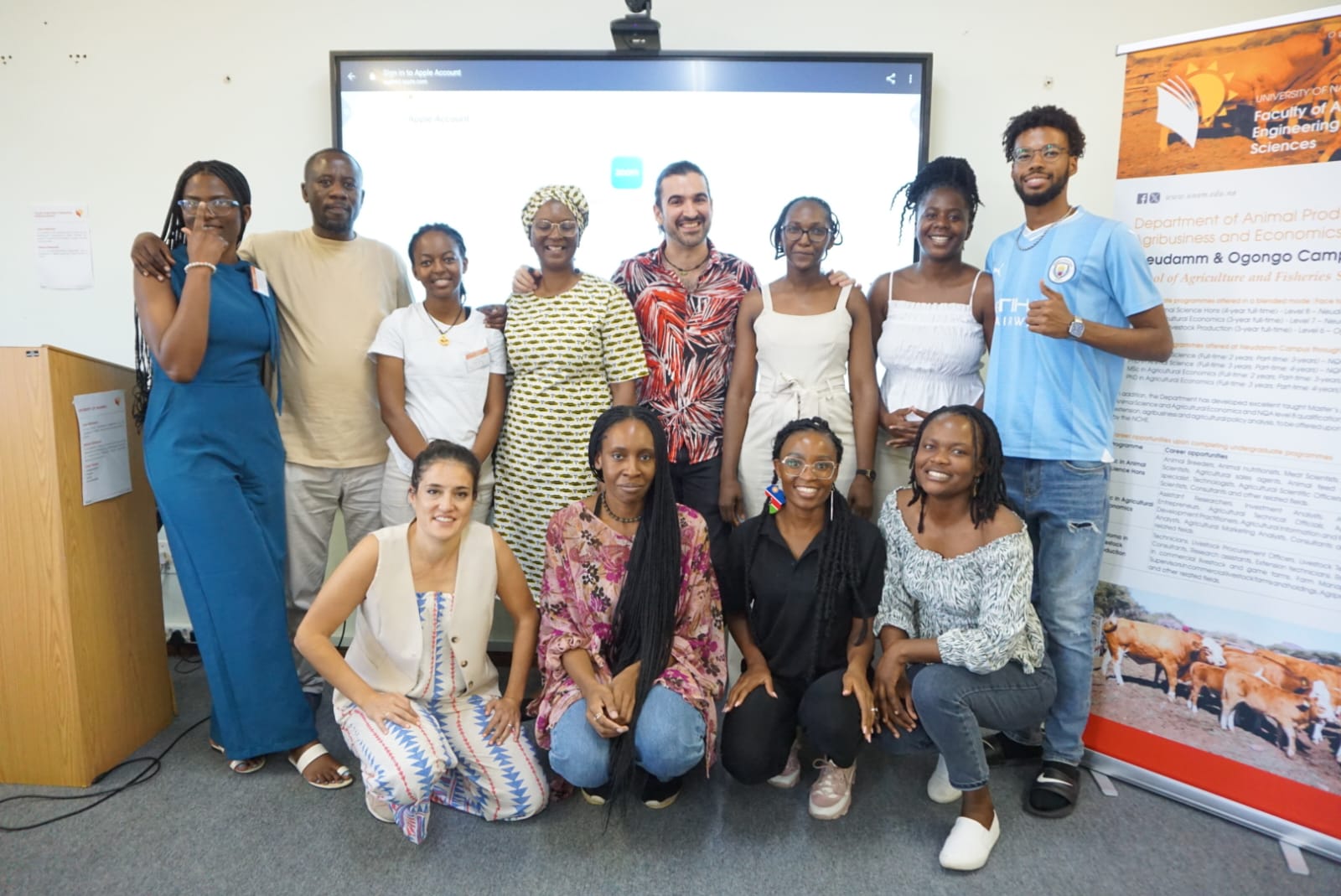
The evening featured María Luisa de la Puerta Fernández, who shared insights on how data science and digital innovation are transforming decision-making in rangeland management and local adaptation, followed by Dr. Carlos Sarabia, who discussed how genomic data can inform climate-resilient breeding strategies.
“The power of data is redefining how we understand and manage our rangelands,” said María Luisa de la Puerta Fernández, CEO of Omeva Consulting. “For the past two years, we have been working on the use of data in different aspects of rangeland management—from satellite monitoring to early warning systems—and we are now excited to expand this approach into the field of genomics. This collaboration sets the stage for another remarkable application of data science in the livestock sector.”
The event featured a keynote session, an interactive Q&A, and light Spanish refreshments, creating an inviting space to exchange ideas and foster cross-disciplinary connections. For further information on these initiatives, please contact: info@omevaconsulting.com.



.png)
