SDG: #2 (Zero Hunger), #13 (Climate Action), #5 (Gender Equality), #15 (Life on Land), #17 (Partnerships for the Goals)
Sectors: Rangeland Management, Sustainable Agriculture, Livestock Farming
Countries: Nigeria
Donors: Embassy of Spain in Nigeria, Spanish Agency for International Development Cooperation (AECID)/ECOWAS
Duration: June 2025 to July 2025
Project Title: Women Transform Rangelands: Harnessing the power of data to drive policy action in the livestock sector.
Project Partners: Omeva Consulting, Lacuna Fund, Farm4Trade, Association of Spanish Researchers in Southern Africa, Alliance for Sustainable Livestock, She Code Africa Kaduna Chapter, Data Science Nigeria, and Pharmafluence Education Advancement Network.
Livestock is the cornerstone of African economies and rural livelihoods, sustaining millions of households across the continent. In many regions, extensive livestock production and pastoralism provide not only food and income but also cultural identity, resilience, and social cohesion. Yet, decisions around grazing, feed, animal health, and market access are still made without reliable, timely, and locally relevant information. This information gap constrains the development of sustainable policies and limits the ability of livestock keepers and pastoralist communities to adapt to changing environments.
At the same time, women—despite their central role in animal care, household nutrition, and food systems—remain excluded from decision-making in agriculture and land governance. Their absence silences critical perspectives, leading to policies that overlook gender dynamics and community realities. Ensuring that women’s voices shape livestock and rangeland management is essential, not only for equity but also for building effective, climate-resilient solutions.
This all-female hackathon tackles both challenges head-on. It empowers women and showcases their potential in two fields where they remain largely absent: data science and the livestock sector. It also demonstrates the power of data-driven insights to inform policy, giving policymakers a front-row seat to witness how inclusive, evidence-based approaches can shape sustainable livestock and rangeland strategies, while showcasing the broader benefits of involving women in policymaking and rangeland management.
This all-female hackathon tackled two pressing challenges: the underrepresentation of women in STEM and the underutilisation of data in rangeland management. By creating a safe space for women to participate, lead, and collaborate, free from the pressures often found in mixed settings, the event empowered participants to explore and showcase their potential. It fostered a collaborative and inclusive environment that enabled women and underrepresented groups to drive innovation through data science. Participants demonstrated the transformative power of data-driven solutions to address critical issues in rangeland sustainability, while also highlighting the broader benefits of involving women in policymaking and rangeland management.
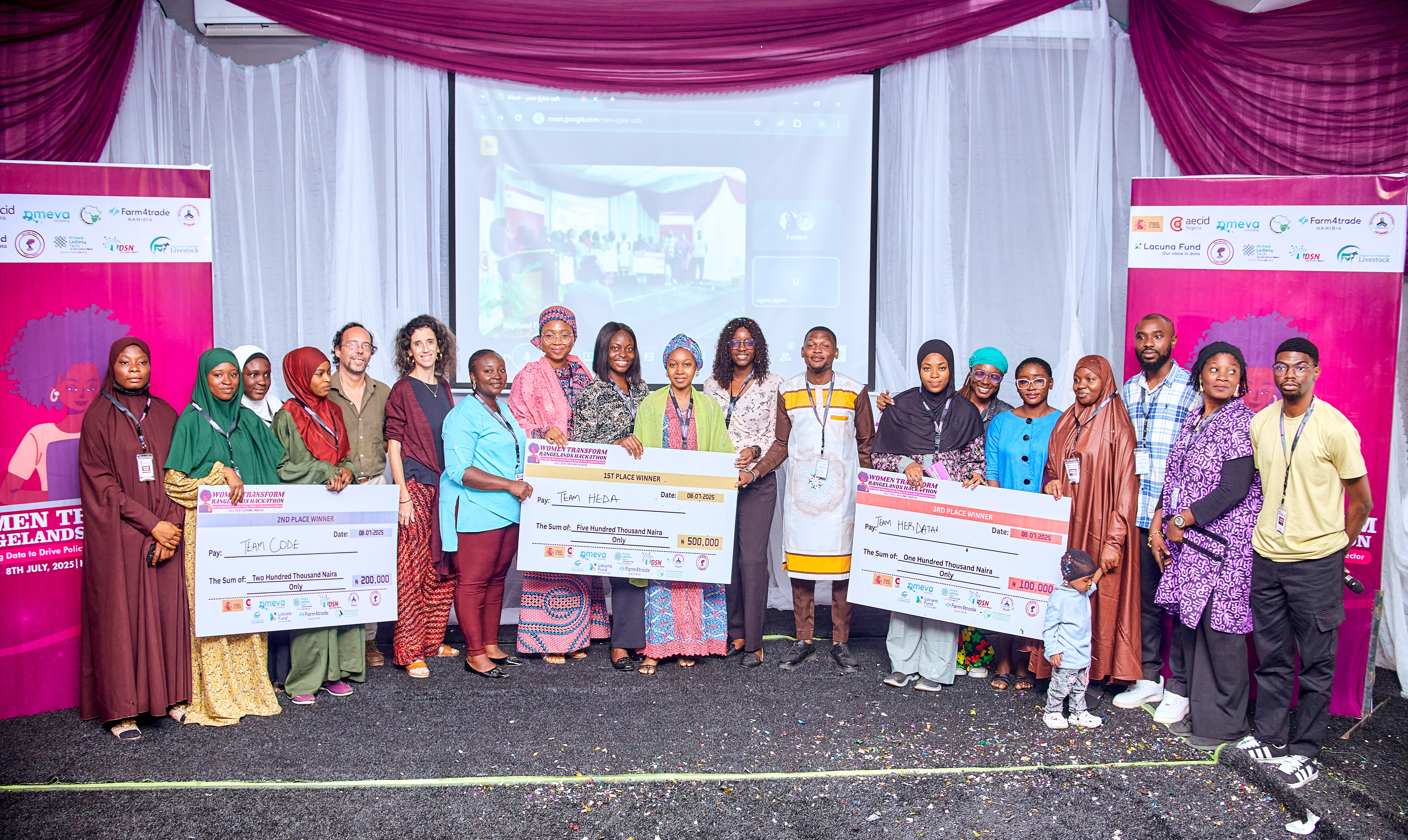
The Women Transform Rangelands Hackathon was a hybrid event that brought together over 30 participants from across Kaduna State, Nigeria. The programme combined in-person sessions with virtual participation, ensuring accessibility and inclusion. After one week, the hackathon successfully produced a set of data-driven policy recommendations and tools for sustainable rangeland management in Namibia, with potential applicability across the African continent.
Collectively, these proposals highlight meaningful pathways for data-driven, inclusive policymaking for sustainable rangeland management and livestock production. Videos of the pitched ideas and grand finale highlights are available on our YouTube channel.
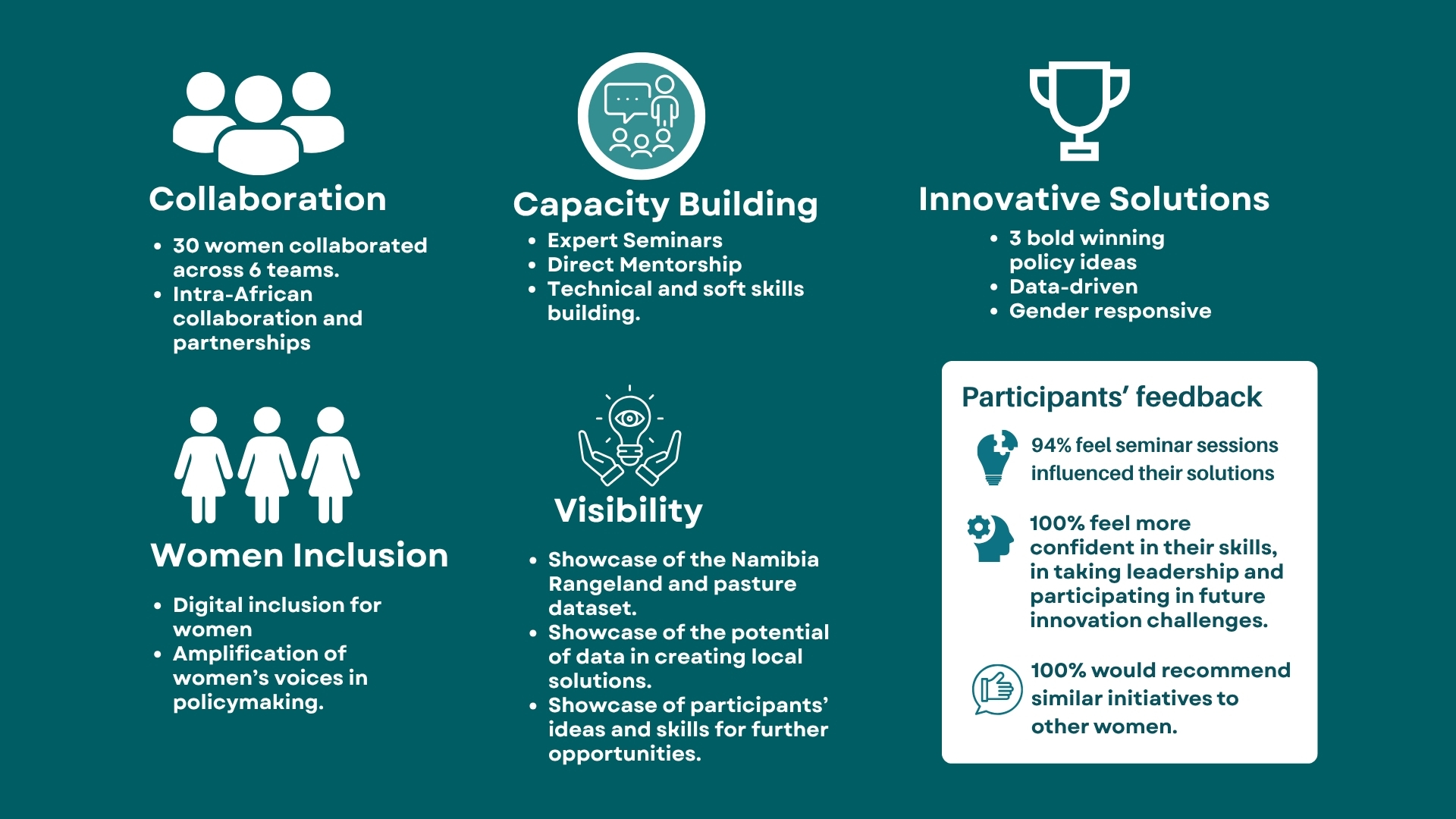
The hackathon was carefully structured to build participants' capacity while ensuring broad knowledge sharing and visibility of the outcomes. Participants from diverse backgrounds were equipped through:
Expert-Led Seminars: Participants were equipped through high-level seminars delivered by leading researchers and practitioners:
These sessions provided the scientific and policy foundation upon which teams developed their innovative solutions.
Hands-on Learning: Dataset exploration exercises, direct mentorship, and brainstorming sessions to apply digital and rangeland data tools.
Networking & Mentorship: Direct mentorship by ecosystem experts and training to sharpen technical skills, problem-solving strategies and communication skills.
The dataset used is the Namibia’s Rangeland and Pasture Dataset, produced by Farm4Trade in collaboration with Omeva Consulting, the University of Namibia, and local experts. Interns from ArewaLadies4Tech contributed significantly to its creation through Omeva Consulting. It includes field data from 20 sites across Namibia's livestock-producing ecoregions (Feb 2023 – Apr 2024) and an API for geospatial analysis. For more information, visit Lacuna Fund.
This project matters because it connects data, gender inclusion, and climate resilience in ways that directly impact African livelihoods and food security. The hackathon broke long-standing barriers and unlocked new leadership potential for women by centering women at a time when climate pressures are escalating and demand for data-driven governance is urgent. Homegrown solutions grounded in local knowledge, lived experience, and technical expertise demonstrate Africa's capacity to generate credible and context-specific answers to its own challenges. The outputs of the hackathon transcended technical solutions, underscoring how women's leadership and data-driven innovation can drive smarter resource use, reduce livestock losses, and strengthen policy systems.
To address critical gaps in livestock data, women's inclusion, and data-driven policymaking, we focused on empowering women by creating a safe space for them to thrive, fostering collaborations, advocating for data-informed decision-making, and showcasing the potential of user-friendly, accessible datasets such as the Namibia Rangeland and Pasture Dataset. The hackathon demonstrated how this dataset can be applied to real-world challenges while generating visibility and encouraging broader adoption among policymakers, practitioners, and communities. We also highlighted how intra-African collaboration, grounded in local expertise and credibility, can drive impactful regional initiatives. An enabling environment allowed women to lead with confidence, contribute bold ideas, and translate data into actionable solutions, advancing equity in livestock and rangeland governance.
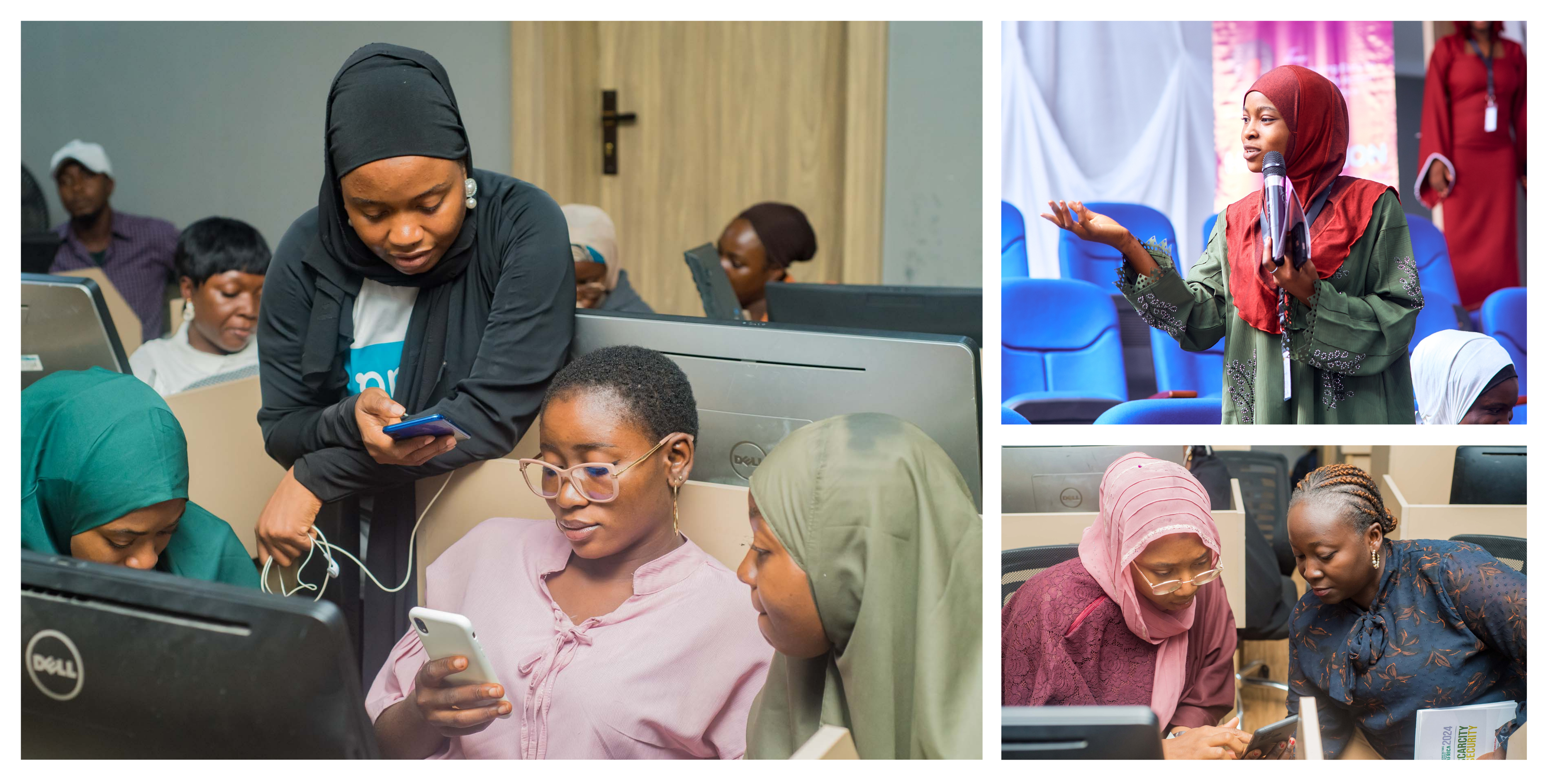
Omeva Consulting provided strategic leadership throughout the project—building partnerships, securing reputable speakers, engaging jurors and mentors, coordinating participants, managing stakeholders, and leading communications. As organiser and facilitator, we delivered an impactful hackathon that advanced policy-driven innovation, promoted adoption of the Namibia Rangeland and Pasture Dataset, and positioned the initiative for sustained collaboration. Moreover, our technical expertise in data science and artificial intelligence contributed greatly to the hackathon’s success: we curated and prepared the Namibia Rangeland and Pasture Dataset, and supported participants in applying it to real-world challenges. To scale impact, we continue to extend its reach through press releases, newsletters, and wider communications, while showcasing participants and their ideas to create further opportunities and lasting value.
We are proud to share that our team delivered a highly positive hackathon experience, with 100% of participants reporting increased confidence in their tech skills, leadership abilities, and pursuit of opportunities in data innovation. Participants also expressed greater willingness to join future hackathons, including mixed-gender ones, and every participant confirmed they would recommend similar initiatives to other women in their networks.
This project has been completed. Explore the ideas pitched by participants and watch the grand finale highlights on our YouTube channel. The dataset with an accompanying end user manual and case studies is available on Kaggle as Namibia’s Rangeland and Pasture Dataset (Gewers et al., 2024).
We are committed to scaling the impact of this initiative by reaching wider audiences and forging new collaborations that drive food security and ecosystem resilience across Africa and beyond. Showcasing participants and their ideas remains central, positioning them for global opportunities while ensuring the momentum generated translates into lasting systems change. Building on this success, we are eager to repeat this event and implement similar initiatives, further strengthening the movement for sustainable transformation. To explore partnerships or future opportunities, contact info@omevaconsulting.com or naomi@omevaconsulting.com.

 Spanish
 Portuguese